
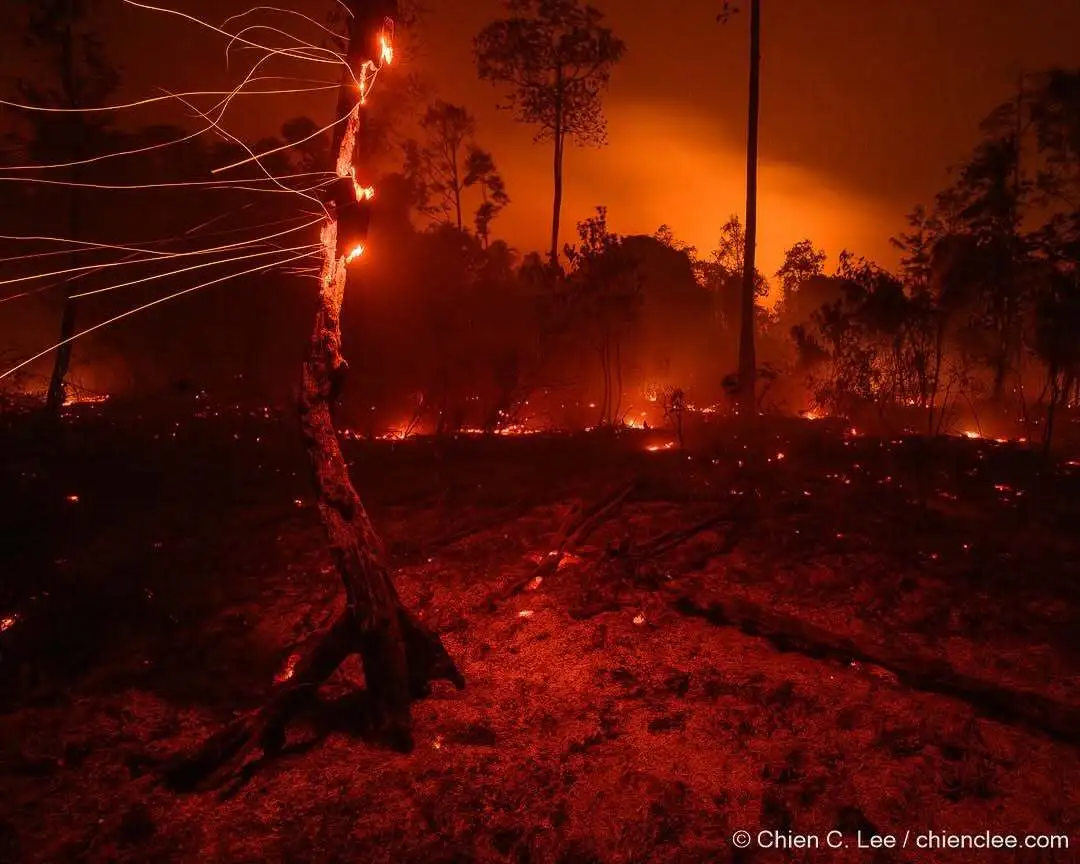
See the haze outside your window? Every carbon atom floating in that air used to be part of a living organism. It might have once belonged to a rare Sumatran Tiger, a majestic 100-year-old dipterocarp tree, or the smallest forest insects—all reduced to ashes, becoming mere particles on an air quality index.
It has been more than half a century since Southeast Asia’s transboundary haze was first recorded, yet here we are today.
Peatlands Are Naturally Fireproof
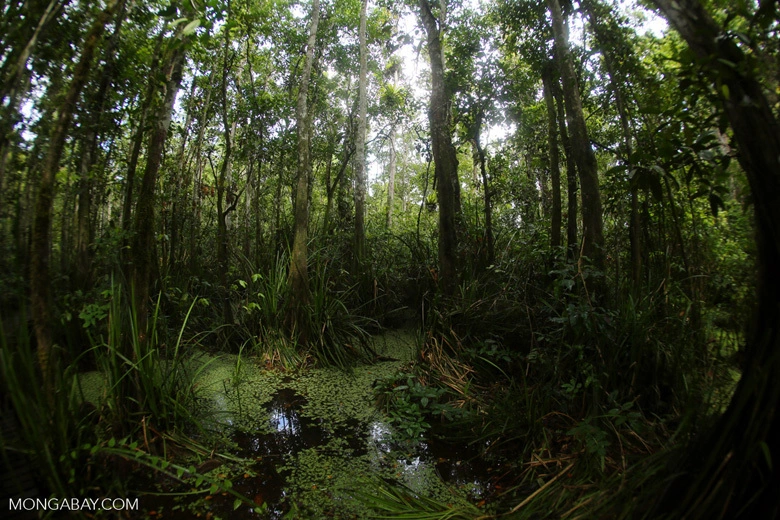
Much of the forests that have been burning since the 1970s are peatswamp forests – forests that are by definition supposed to be impossible to burn. As its name suggests, these forests are swamps. If you ever visited one, the first thing you would notice is the incredibly deep top layer of wet organic mulch that covers the forest floor (this layer is sometimes 20 meters deep!). They are formed over thousands to millions of years of falling leaves and persistent rainfall. Over the years they form a sort of sponge that covers and holds immense amounts of water that prevents the forest from drying out even during the driest seasons.
What We Have Done: A Man-Made Disaster
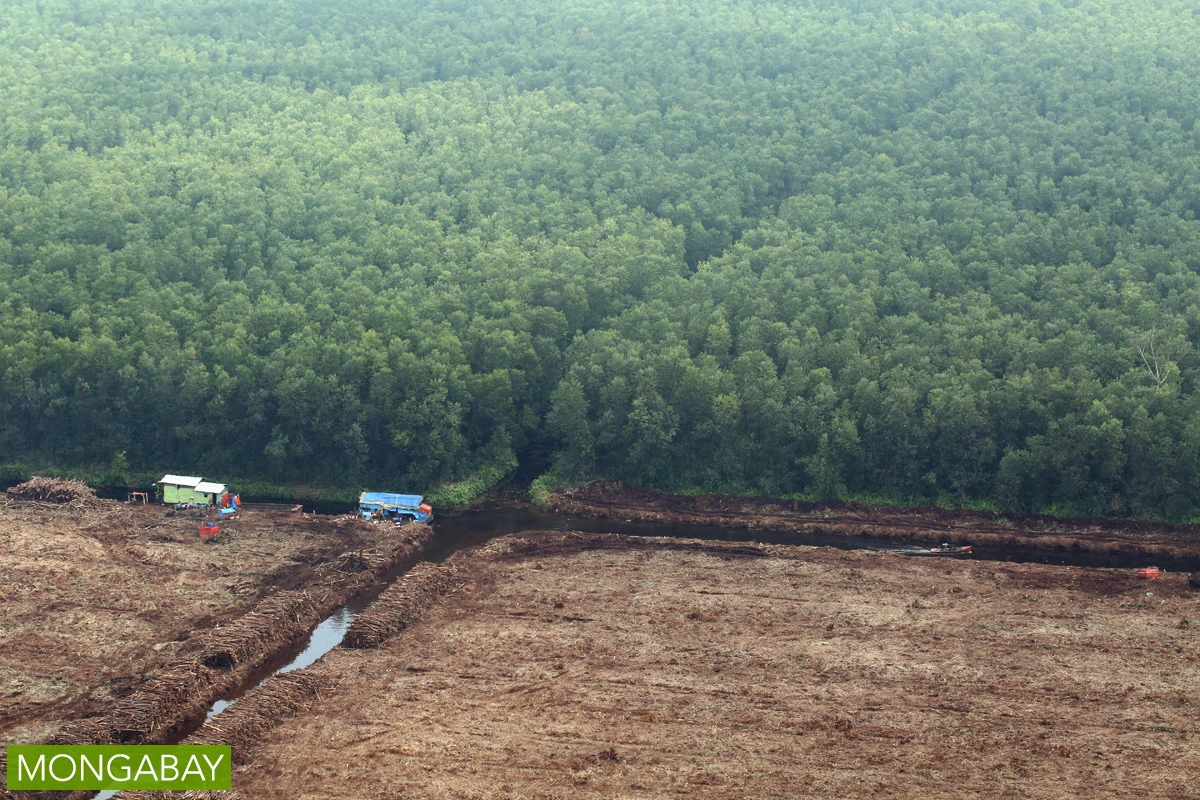
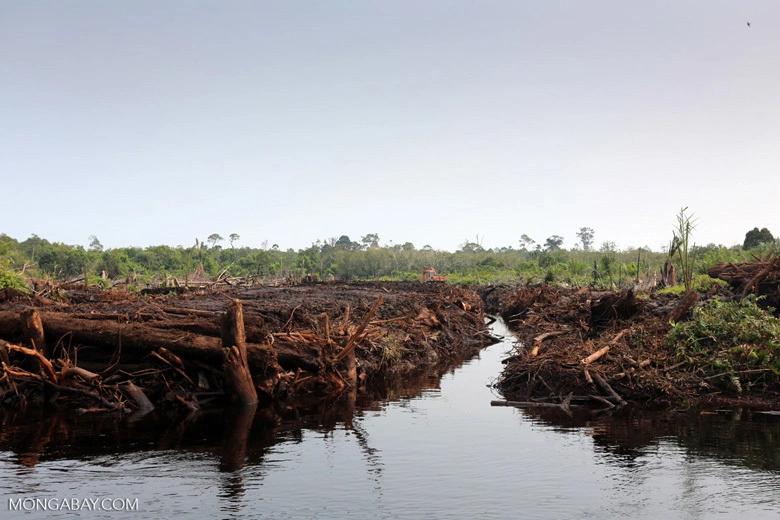
In the name of profits and growth, we have drained vast swathes of peatswamp forests for water and prepared them for the “slash and burn” practice. The “slash and burn” practice is a cheap and easy way to get the land prepared with fresh “fertilizer” for plantations to grow. Rather than using heavy machinery that needs to be operated, the burning of the forest results in vast amounts of ash covering the coveted land, providing ample, ‘free’ fertilizer. But at what cost? As of September, the fires in East Malaysia and Indonesia have razed almost 2 million hectares (20,000 square kms), roughly an area equivalent to the state of Johor (19,210 square kms).
How did this repeated man-made disaster become a phenomenon that Malaysians have candidly accepted as something our country is known for? What’s worse is that in the last few years, retailers have also started to use the haze as a marketing strategy, promoting their products in so-called Haze collections/ Haze packages. Are we monetizing clean air and making clean air a luxury? Are we cultivating a society where only the rich have access to clean air while the poor need to put out fires to earn clean air?
Rainforests (peatswamp forests included) are giant water reservoirs; capable of affecting local to regional rainfall (even global!) depending on the size. They absorb, retain, and return water from the earth to the atmosphere, leading to a perpetually wet environment where water is extraordinarily abundant. What we are doing now is destroying this very system that helps provide consistent rainfall and stabilizes our climate in our region.
Think of our climate as a see-saw that has not been moved; as we clear more and more forests releasing more carbon into the atmosphere, we are pushing down on one side of the see-saw repeatedly causing it to rock. These fires – are like landing a really hard sledgehammer strike. What do you think will become of the see-saw?
We’re not only tipping the balance, we’re breaking it.
If more rainforests are cleared, we will reach a point of no return. The lungs of the earth will continue to disappear and we will not be able to resuscitate it.
Disconnected from nature
This is a perfect example of how disconnected we as a society are from the environment. When we screw something up, the go-to solution has always been to correct the symptom and call it a success while ignoring the root cause of the problem.
Getting less rain? It’s okay, we can conduct cloud seeding. But have we taken into consideration how much rain producing rainforests we have already cleared and destroyed? We use to build houses with natural air circulations that keep everyone inside cool in our tropical environment. But fashionable designs replaced these houses with houses that REQUIRE air conditioners instead.
“Slash and burn” practices must stop, however it is but a temporary solution to the problem. The long term solution to this – a total ban on draining peatswamp forests!
WE are a part of Nature (not the other way round)
We need to understand that every single action we take, item we buy, use or eat today, comes at a present and future environmental price. A price we absolutely cannot afford if we continue living in wasteful, consumerism based societies.
Unsure of what you can do as an individual? You can start by learning how forests work, learn about how long it took for the life supporting ecosystems to develop and mature, and realise that we are not the center of the world. I encourage you to move from an Anthropocentric (human centered) world to a Biocentric (nature centered) world.
The easiest way to do this is by observing nature. Sit down in a green space, look at what each animal you spot is doing. It may be birds building nests, insects visiting flowers, or a squirrel checking you out. Observe them long enough and you will start to realize that every one of them provides a service, an ecosystem service.
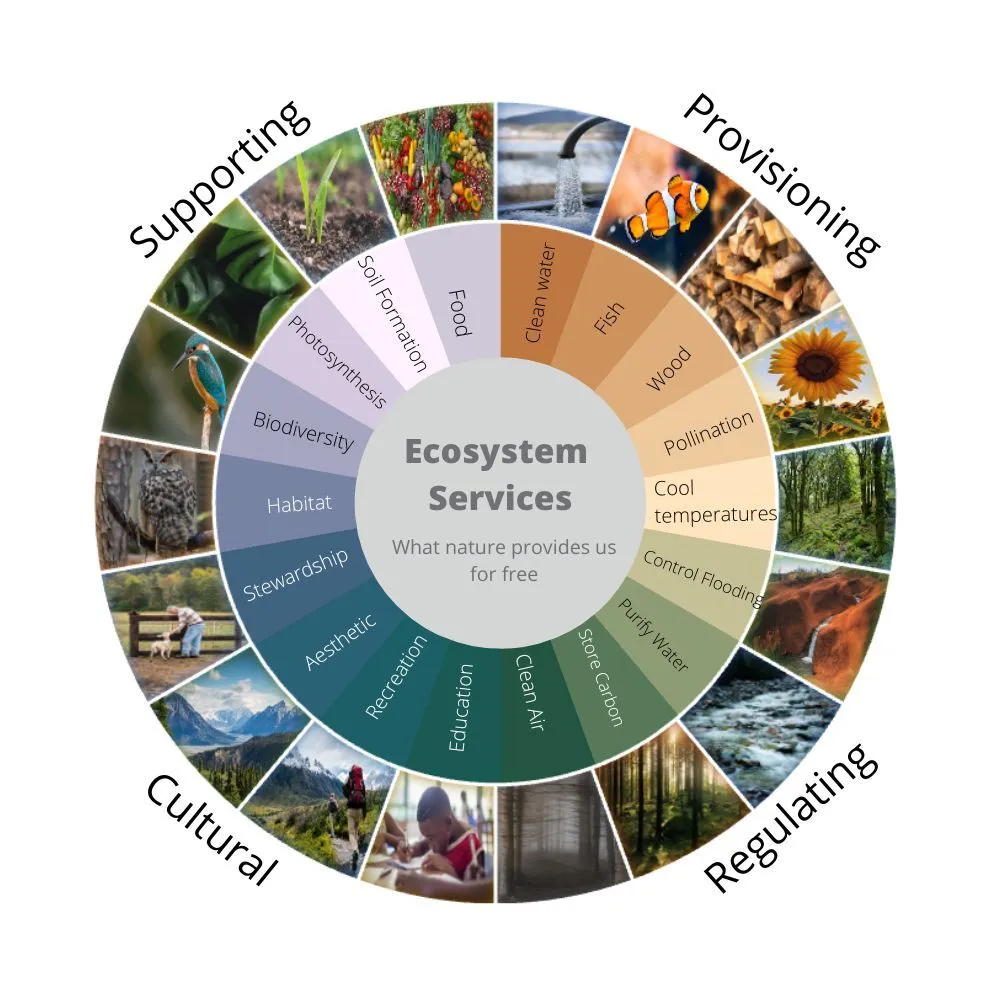
Image from ©Visionlearning – Inspired by graphic from TEEB Europe
When the haze eventually dissipates
The haze won’t last forever, and neither will our currently surviving forests if we don’t learn from our mistakes. Don’t let the haze conversation stop, start advocating and stand alongside our orang asli brethren for the better protection of our forests. Start following organizations that share and talk about what is happening to our forests locally in Malaysia and Southeast Asia. A few examples include The Bruno Manser Foundation, The Borneo Project, Macaranga, and Rimba Watch, among many more.
I hope that one day in the future, we can collectively say that we made the change when it mattered most and not that we could have acted when we had the chance but didn’t.
There are simply no two ways around this and we cannot lie our way through it. As the more we lie the worse it will be for our future.
“Every lie we tell incurs a debt to the truth. Sooner or later, that debt is paid…“ – Valery Legasov (HBO series – Chernobyl)
References:
AFP. (2026, October 19). Indonesia fires have burned nearly two million hectares: Satellite Monitor. The Sun Malaysia. https://thesun.my/news/world-news/asia/indonesia-fires-have-burned-nearly-two-million-hectares-satellite-monitor/
Butler, R. (2015, July 21). What is Peat Swamp, and why should I care?. Conservation news. https://news.mongabay.com/2014/07/what-is-peat-swamp-and-why-should-i-care/
Lee, M. K. (2016, January 19). Haze in Singapore: A problem dating back 40 years. The Straits Times. https://www.straitstimes.com/singapore/environment/haze-in-singapore-a-problem-dating-back-40-years
Onokpise, O. U. (2013). Slash-and-burn agriculture: Agriculture and agribusiness: Research starters: Ebscohost. EBSCO. https://www.ebsco.com/research-starters/agriculture-and-agribusiness/slash-and-burn-agriculture/
Peat-swamp forest. Borneo Nature Foundation. (2023, June 14). https://borneonaturefoundation.org/rainforests/peat-swamp-forest/
Smith, C., Spracklen, D., & Baker , J. (2025, February 17). Rainforests pump water round the tropics – but the pulse of this heart is weakening. The Conversation. https://theconversation.com/rainforests-pump-water-round-the-tropics-but-the-pulse-of-this-heart-is-weakening-201136
Why are peat-swamp forests so vulnerable to fire?. Borneo Nature Foundation. (2016, June 11). https://borneonaturefoundation.org/conservation/why-are-peat-swamp-forests-so-vulnerable-to-fire/
Wikimedia Foundation. (2026, October 26). Ecosystem service. Wikipedia. https://en.wikipedia.org/wiki/Ecosystem_service
