
I grew up at home watching nature shows from Discovery Channel, Animal Planet and National Geographic. More often than not, I would hear my parents say things like
“Only Westerners will have the heart and patience to care for these animals, or the environment…”.
And they are right because everyone I knew in Malaysia was focused on their careers and improving their quality of life. Over time, I subconsciously learned to associate Westerners as the people who are trying to save the environment while we in the developing world are the culprits behind environmental destruction. In reality, the Western World is nearer to the environmental apocalypse than they want us to believe.
Countries like Australia and New Zealand are renowned to many of us for having rich biodiversity, and that they are the leaders in conservation of the environment. But did you know that they have lost more than 50% of their wild forested areas? They are leaders in conservation today because of the countless lessons learnt from the environmental losses in the name of economic development over the last century. Both countries’ rapid environmental degradation didn’t just happen in the last 50 years but began as early as the 1800s1.
From the once massive expanses of eucalyptus rainforests covering the Southeastern parts of Australia2, to the lush forests that once spanned most of New Zealand3; these unique environments and their inhabitants paid the ultimate price before the people there started realising and putting pressure on the brakes. We can easily see evidence of this today by simply visiting Google Map’s satellite images and seeing how much land remains untouched by human activities.
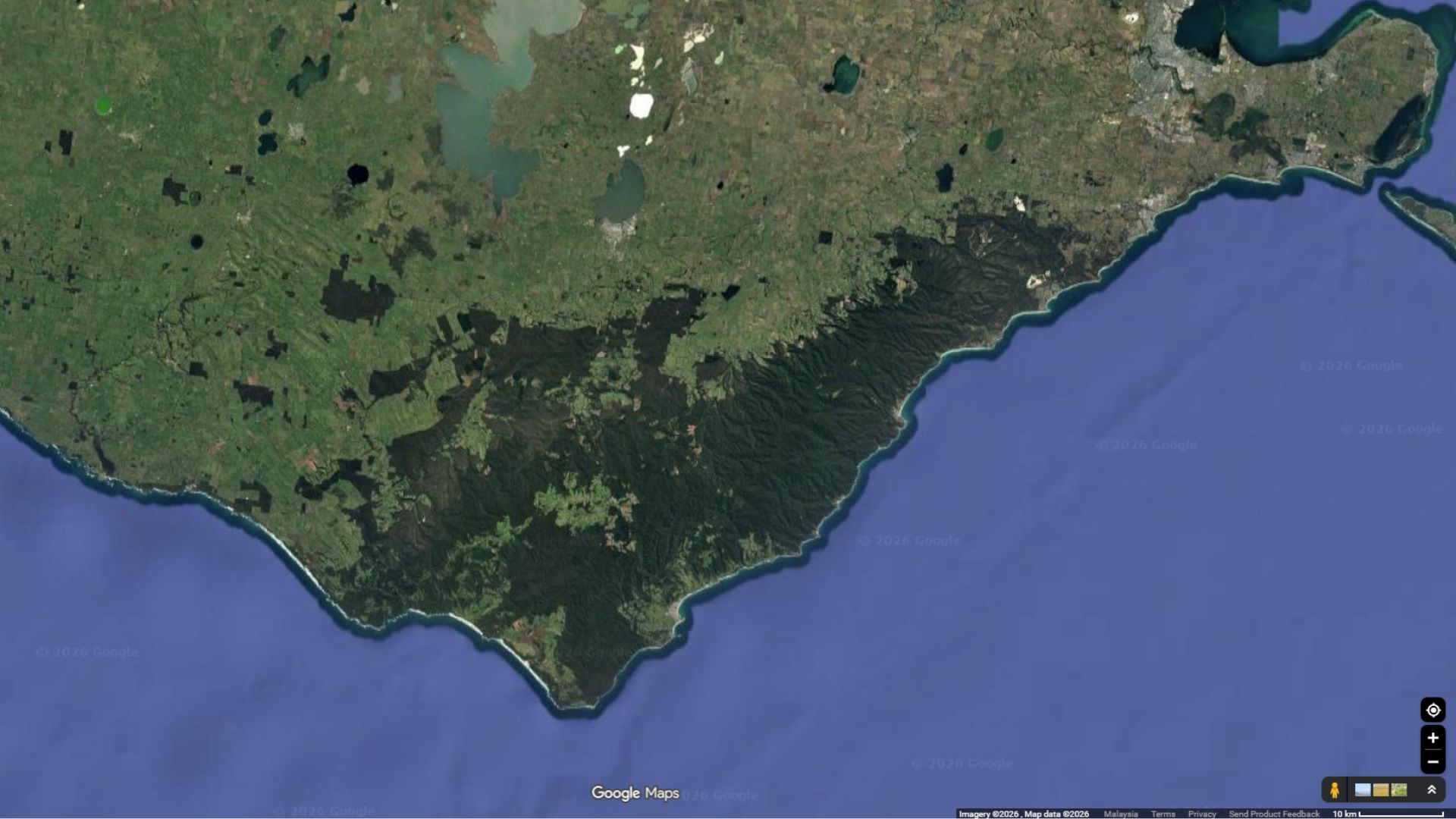
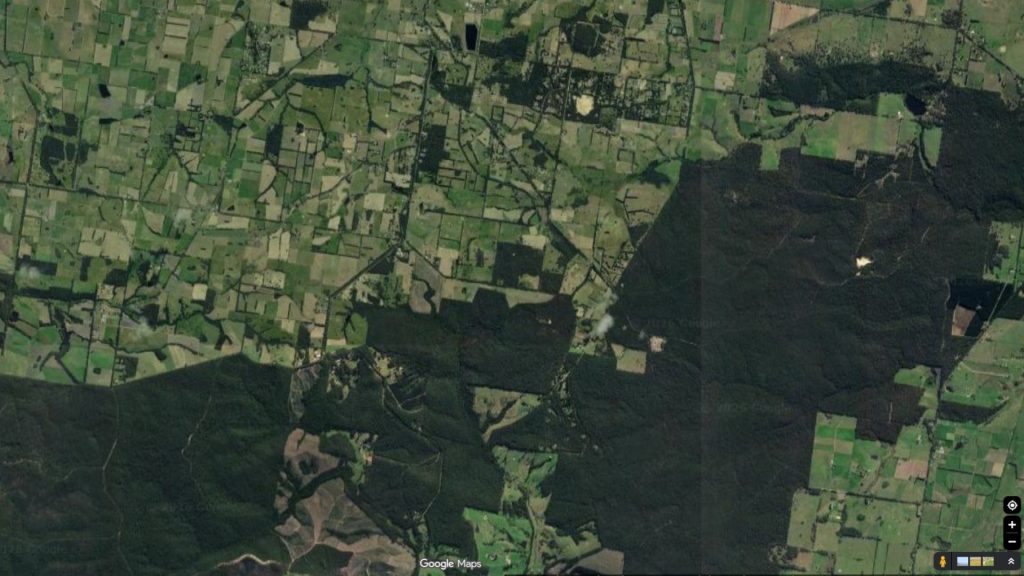
Malaysia today still boasts a healthy >50% of wild forested areas4 left, but this number is and has been shrinking over the last few decades. In recent years, we have seen increased mainstream news reports on wildlife encroachment into urban areas and increased roadkill of tapirs5, elephants6, and tigers7, etc. All of these are symptoms of a shrinking natural environment that have forced wildlife to seek food and shelter elsewhere. We ought to ask ourselves, when do we stop? When do we draw the line and say enough?
Using Google Earth8, I encourage everyone to have a look at the historical satellite images of Malaysia over time and see our great dark green patches of forests turn brown from clear-cutting forests or turn into grey concrete mosaics from urbanisation (see examples below).
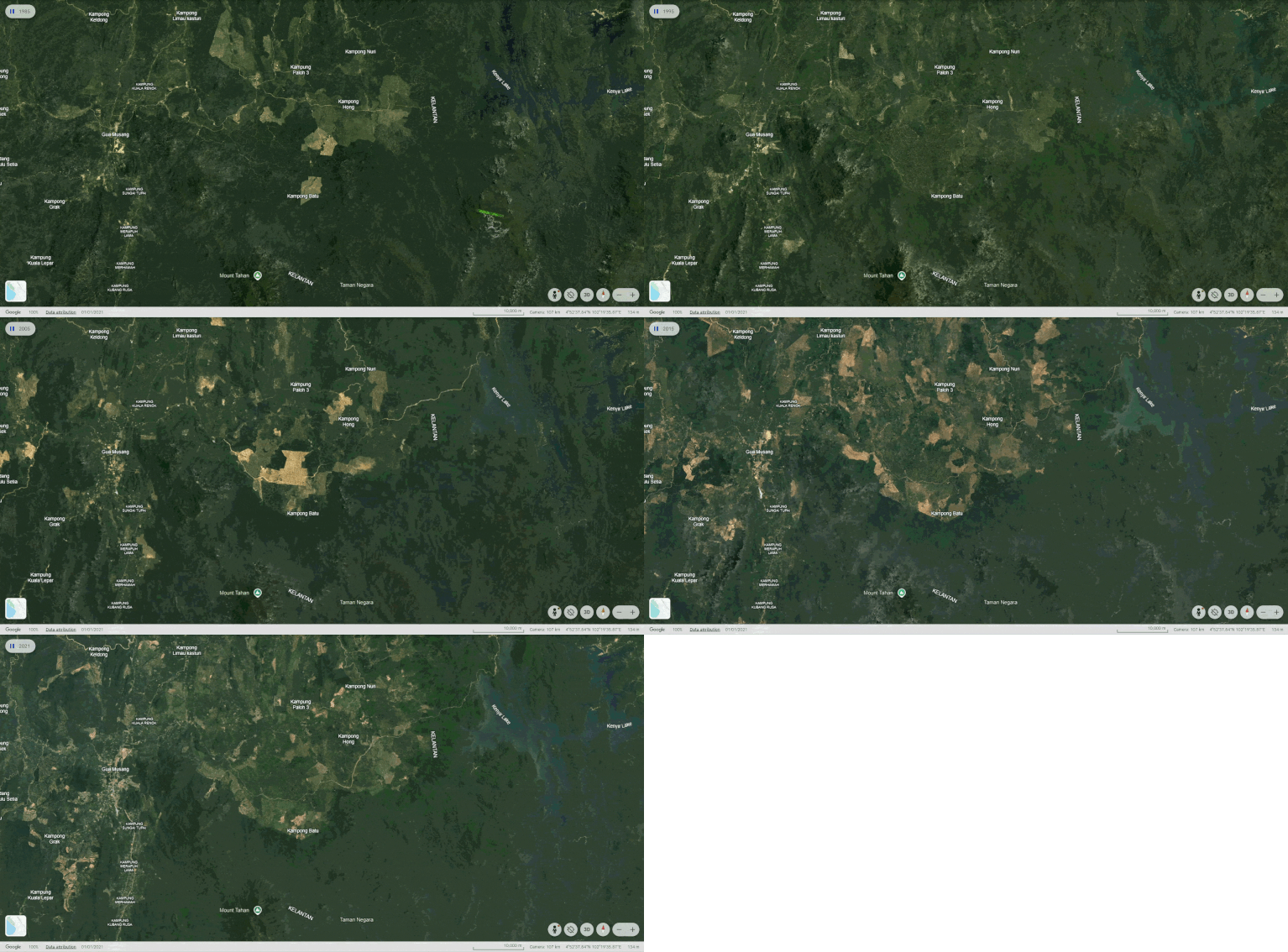
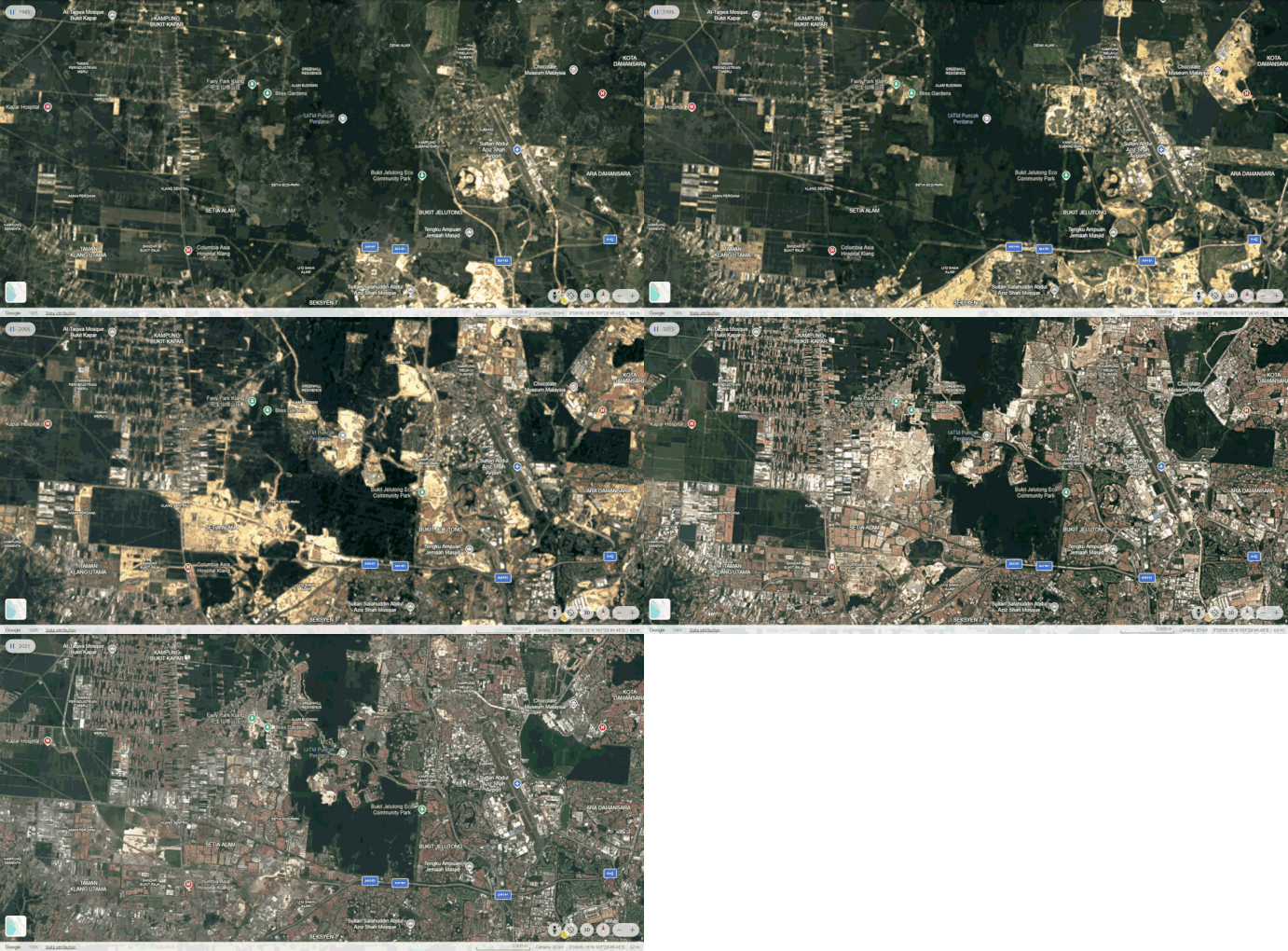
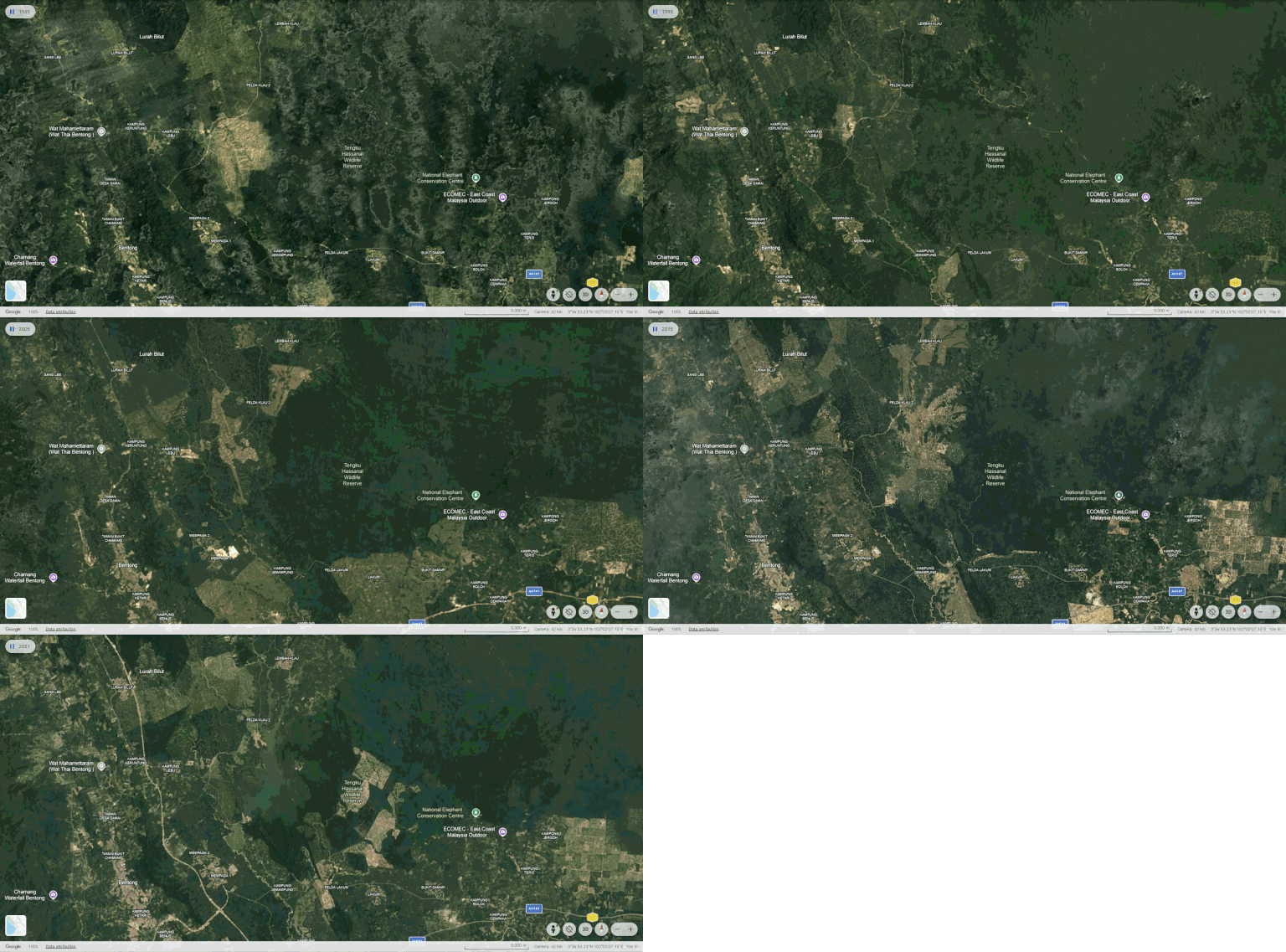
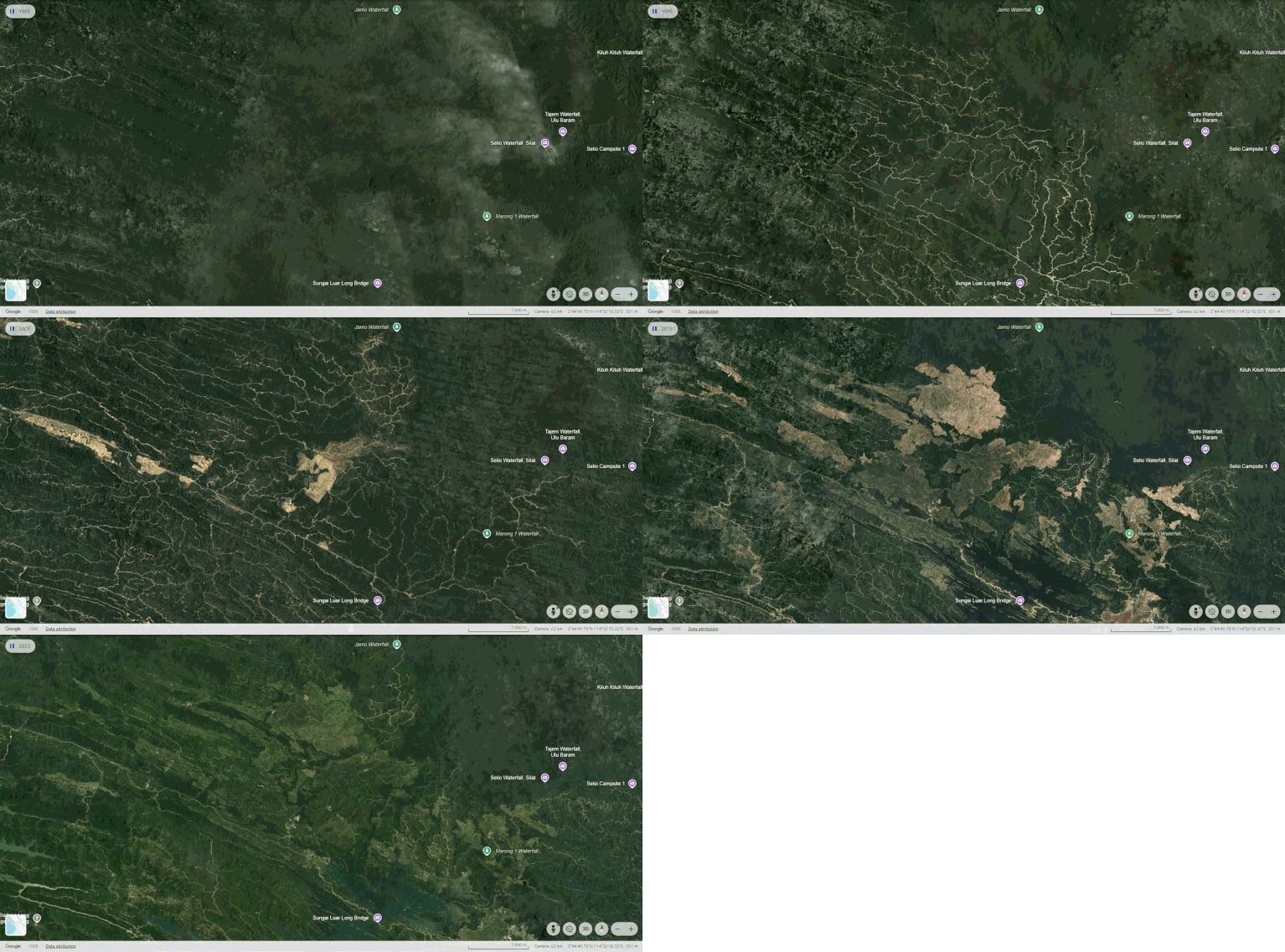
It is often assumed that for economic progress to happen, certain levels of environmental degradation are required. But we must make a choice. Do we want to follow a blueprint of assured environmental destruction or try to create a new one where we balance economic development and environmental conservation? Especially when we know today that a healthy environment is essential for our own survival.
Many among us may argue that we cannot do anything, as such decisions are made by people in power. But we forget that we have power, too. Regardless of if it’s collective or individually, we can make a difference, and it all starts with 2 words: “I care”.
The 6 Malaysians who decided to sue the government9 over plans to breach the 50% forest cover commitment didn’t start with a press conference; Bruno Manser10, a rainforest campaigner and human-rights activist, didn’t just randomly decide to stand with the Penan people against the state government for their plans to destroy their homes; and the many environmental NGOs across the country and countless volunteers didn’t start getting involved just because they had a lot of free time. Every one of them started by saying “I care”.
Because if we don’t care about Malaysia, nobody else would.
References:
- https://www.waikato.ac.nz/int/news-events/news/nation-building-or-nature-destroying-why-its-time-nz-faced-up-to-the-environmental-damage-of-its-colonial-past/
- https://www.acf.org.au/news/deforestation-in-australia-why-its-happening-and-how-to-stop-it
- https://teara.govt.nz/en/interactive/11674/deforestation-of-new-zealand
- https://www.globalforestwatch.org/dashboards/country/MYS/
- https://www.straitstimes.com/asia/se-asia/tapirs-top-roadkill-list-in-malaysia
- https://www.thestar.com.my/news/environment/2025/07/09/ecowatch-at-a-crossroads-over-wildlife-roadkill
- https://www.thestar.com.my/news/nation/2024/11/12/six-malayan-tigers-killed-on-roads-in-past-two-years-fewer-than-150-left
- https://earth.google.com/web/@4.37193318,103.19424962,328.72901319a,1092157.79315159d,35y,355.31141064h,0t,0r/data=ChY6EAgBEQAAAAAAAPA_GM4PIABCAggBOgMKATBCAggASg0I____________ARAA?authuser=0
- https://www.freemalaysiatoday.com/category/nation/2026/04/07/6-youths-file-judicial-review-to-enforce-malaysias-forest-cover-pledge
- https://www.bruno-manser.ch/en/about-us/bruno-mansers-biography/
